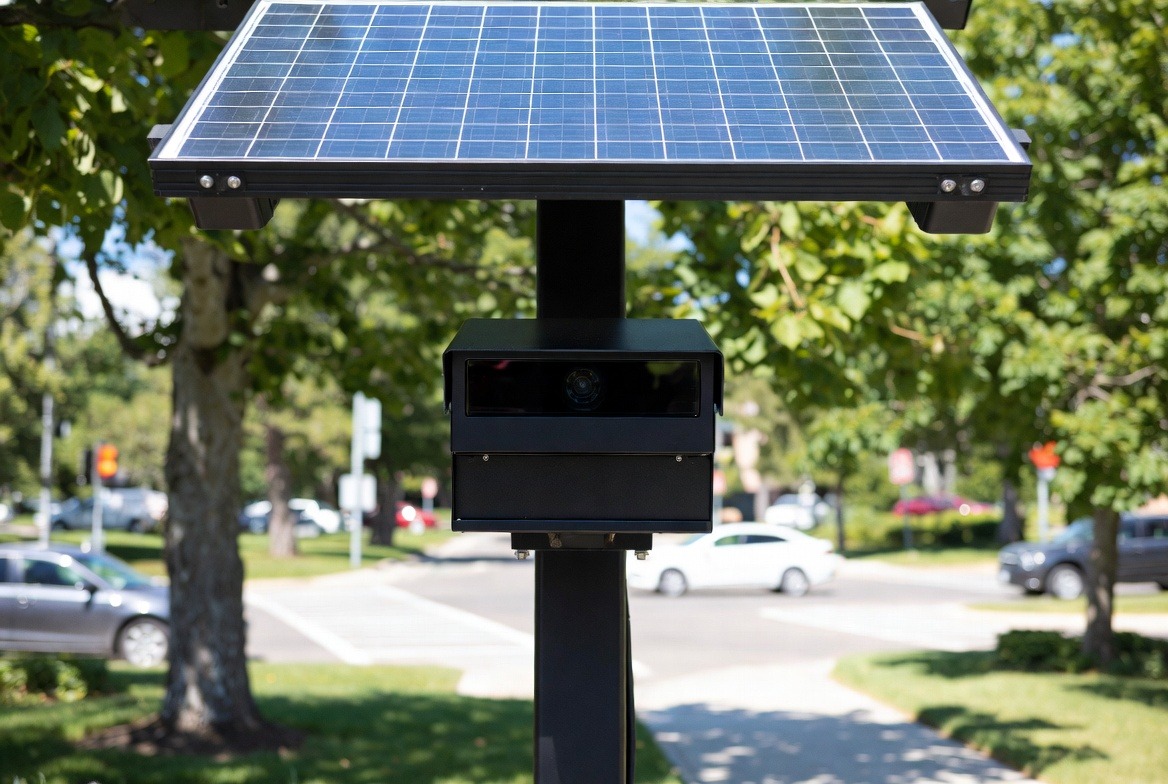
Every time you drive past one of the sleek, solar-powered poles sprouting along roadsides nationwide, an AI-powered camera silently records your license plate, vehicle make, model, color, and distinguishing features—along with the exact time and location. These are Flock Safety’s automated license plate readers (ALPRs). Marketed as public safety tools, they feed data into a vast, cloud-based network searchable by thousands of police agencies across the country. What began as targeted crime-fighting has evolved into something far more expansive: a system that logs the movements of ordinary citizens without individualized suspicion or warrants in most cases.
Critics argue this represents a profound shift toward mass surveillance. Unlike traditional CCTV, Flock’s system creates a searchable historical record of where millions of people drive every day. Investigations by the Electronic Frontier Foundation (EFF) reveal that over a 10-month period, more than 50 federal, state, and local agencies conducted hundreds of searches tied to protest activity. Examples include queries during the “No Kings” protests and actions by animal rights groups. Vague search terms like “protest” or descriptions of vehicles allowed broad sweeps that captured data on bystanders and participants alike, raising clear First Amendment concerns about chilling dissent.
The technology’s reach extends beyond protests. Reports document its use in tracking individuals seeking reproductive healthcare, immigration enforcement (with data accessed by agencies like ICE and Border Patrol), and even personal vendettas. In one Idaho case, a Jerome County deputy used Flock cameras to track his wife’s vehicle more than 700 times. AI enhancements now enable natural-language searches and video clip retrieval, while plans to integrate with commercial data brokers threaten to link plates directly to personal identities. The ACLU has documented how such systems expand beyond their stated purposes, creating risks of abuse that no software tweak can fully eliminate.
Government surveillance in general amplifies these dangers. Bulk collection of location data erodes the Fourth Amendment’s protections against unreasonable searches. When every trip to work, a doctor’s appointment, or a political rally leaves a digital trail accessible without probable cause, privacy becomes an illusion. This infrastructure normalizes constant monitoring, fostering self-censorship and concentrating power in law enforcement and tech vendors. History shows surveillance tools rarely stay limited to their initial justifications.
Public resistance is growing. The ACLU’s “Get the Flock Out” campaign and EFF investigations have spurred lawsuits, such as the challenge to San Jose’s warrantless mass searches of millions of records. Grassroots groups and residents have organized petitions, town halls, and protests—including demonstrations outside Flock’s Atlanta headquarters. Dozens of cities have canceled contracts amid concerns over privacy, data sharing with federal immigration authorities, and mission creep.
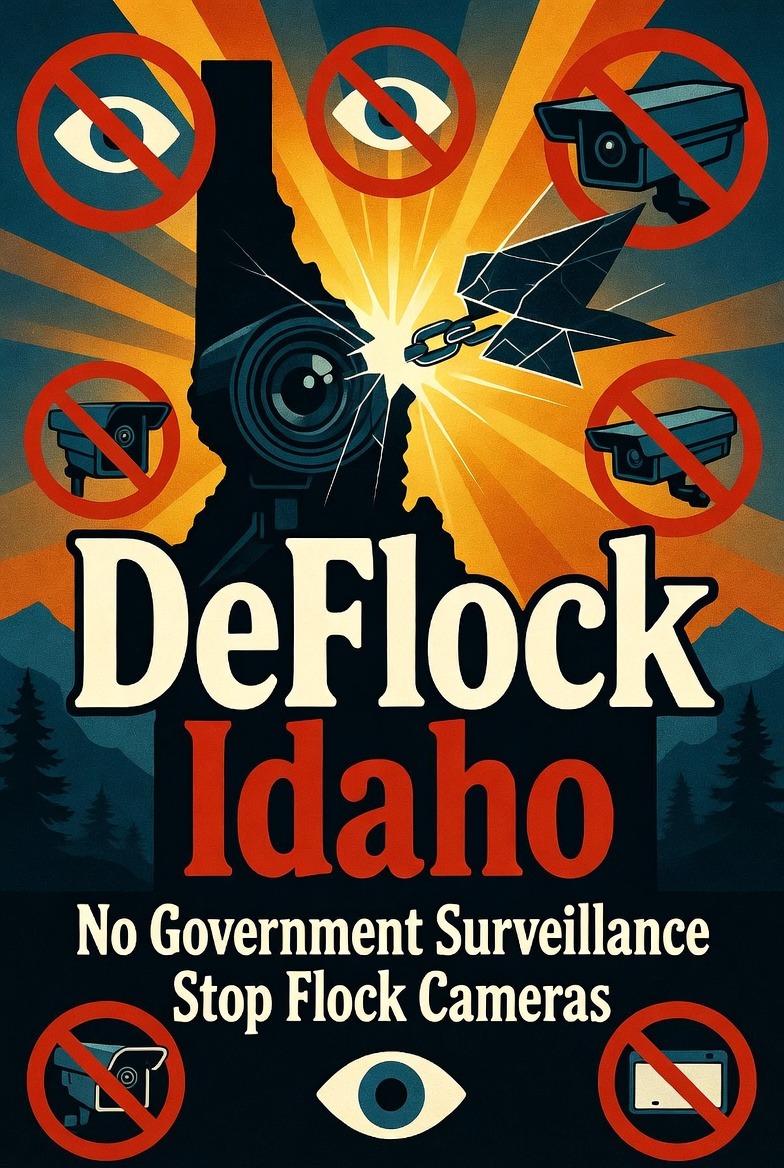
In Idaho, opposition is particularly active. The group DeFlock Idaho has filed tort claims against Canyon County cities, arguing that contracts with Flock violate state law by permitting commercial use or AI training on collected data, which should be restricted to law enforcement purposes. In Caldwell, where 33 cameras were installed under a multi-year deal, Mayor Eric Phillips has publicly stated he would remove them if possible, preferring more officers on the street over “cameras patrolling their every step.” Other Idaho communities, including Twin Falls and Wilder, face similar scrutiny as awareness spreads.
Flock cameras exemplify how convenient technology can quietly dismantle civil liberties. While proponents highlight solved crimes, the indiscriminate nature of the surveillance—and its documented expansions—demands rigorous oversight, warrant requirements, strict data limits, and public consent. The growing wave of activism shows communities are not willing to trade essential freedoms for the illusion of perfect safety. Privacy, once lost to always-on watchers, is far harder to reclaim.